(089)2565709
monkstownmovementclinic@gmail.com
Facebook
BOOK ONLINE
Unit 4 Ashgrove Industrial Estate, Kill Avenue, Dún Laoghaire, Dublin, A96 HP90
Monkstown Movement Clinic
Menu
  • Home
  • About Us
    • The Physios
    • The FAQs
    • The Blogs
  • Services
    • Physiotherapy
    • Sports Massage
    • Personal Training
  • The Good Stuff
    • The Patient
    • The Community
    • The Planet
  • Common Injuries
    • The Back
    • The Knee
    • The Shoulder
  • Contact Us
    • Contact Details

The Back

The Back

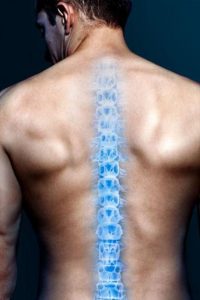
Low back pain is one of the most common and debilitating musculoskeletal conditions. Roughly 8/10 people will experience back pain at some point in their life. And yet, as the chart here shows, most MRI scans will not show a specific diagnosis for presenting low back complaints.
Low Back Pain Diagnosis by MRI Scan

  • No Diagnosis
  • Specific Diagnosis - eg disc prolapse, disc compression
  • Serious Disorder - eg fracture, malignancy, inflammatory disorder
Book Online

So what does this mean?

It means that the majority of people suffering with low back pain will not have a serious condition. This does not mean that their pain isn’t real, it just means it isn’t always serious. In the same way that not all knee pain is serious. Or not all shoulder pain is serious. And yet, low back pain can stop us in our tracks worse than knee and shoulder pain. We worry about it more.

Our spine is central to how we move. It houses our spinal cord. And if we know nothing else, we know that that’s important. And we hear so much about bulges and discs and nerves and sciatica and lumbar and glutes and compression and degenerative that they’re bound to make us worry. We don’t hear much about muscles though. And the back is full of them. So just like any other muscle, we can strain our back. If we sit for too long or lift something in a funny way or overstretch a bit.

Furthermore, MRI scans on healthy, pain-free individuals showed:

  • Disc degeneration in 37% of those aged 20-30
  • Disc degeneration in >80%  of those aged 50 and over
  • Disc bulge in 30% of patients aged 20-30
  • Disc bulge in >60% of those aged 50 and over

And yet all these patients were pain free.

Lastly, it has been shown that MRI scans for low back pain can actually result in:

  • Poorer health outcomes
  • Poor perceived prognosis
  • Increased likelihood of surgery
Read our Low Back Pain Blog

So what should I do?

Move. Little and often. Start off slow and just do what you can. This might mean light stretches on the bed or a few easy twists or turns but movement is the key to getting better. As stated above, most cases of low back pain aren’t serious. So don’t be afraid to move.  Our backs are strong – we just don’t always look after them as well as we should.


Consult your Chartered Physiotherapist

Back pain is our bread and butter. We see more back patients than anything else. We can help by:

  • Calming any fear or concerns about your pain
  • Advising on best management
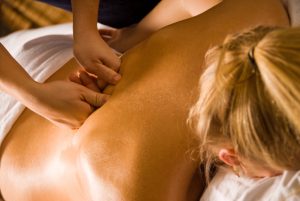
  • Providing treatment in clinic to reduce your symptoms
  • Prescribing exercises to relieve your pain at home
  • Getting you back moving better than ever
Book Online

Important to note:

If at any time during your episode of low back pain you experience changes in your bowel or bladder movements, you should seek medical attention as this may be a more serious issue.

Box OneBox TwoBox Three
5 star review on Google

Highly recommend Graham at Monkstown Movement Clinic. He managed to determine the cause of my long-term pain so was able to create a recovery programme completely unique to my lifestyle and injury. Super friendly and welcoming and a very comfortable space in the new clinic in lovely Monkstown.

READ FULL REVIEW

Alison

Graham was a sports physio for my former rugby team some years back, and when an old injury flared up he was very quick to make himself available to help. It had been a number of years since I had attended physio and I was slightly out of the loop as to who to call...

READ FULL REVIEW

Conor

I sought Graham’s help to address a problem with stiffness in legs following a period of hospitalisation. He gave me a program of exercises which were easy to follow using an App. He kept in touch with me and with his encouragement and support, I regained full fitness in my legs. I have no hesitation...

READ FULL REVIEW

John

  • Privacy Policy
  • Physiotherapy
  • The Patient
  • The Planet
  • The Blogs
  • Contact
© MMC Physio. All rights reserved. Website by Craig Murray